Today’s silver rate
₹0
Fine silver, one gram
Salem’s silver house
Fine silver · Salem
A Salem house for silver ornaments and silver coins. Women and men wear the pieces in ordinary light: necklaces, bell earrings, bangles, anklets, and a simple chain. Today’s gram rate sits on the board.

Today’s silver rate
₹0
Fine silver, one gram
Ten grams
₹2,450
Ten grams of fine silver
Salem
G & S HUB
16 Oct 2026, 04:34 AM IST
The collection
The same silver, worn. Necklaces, earrings, bangles, anklets, a waist belt, and a chain for him, plus fine silver coins.

Necklace
A fine silver necklace, worn in daylight

Earrings
Silver bell earrings
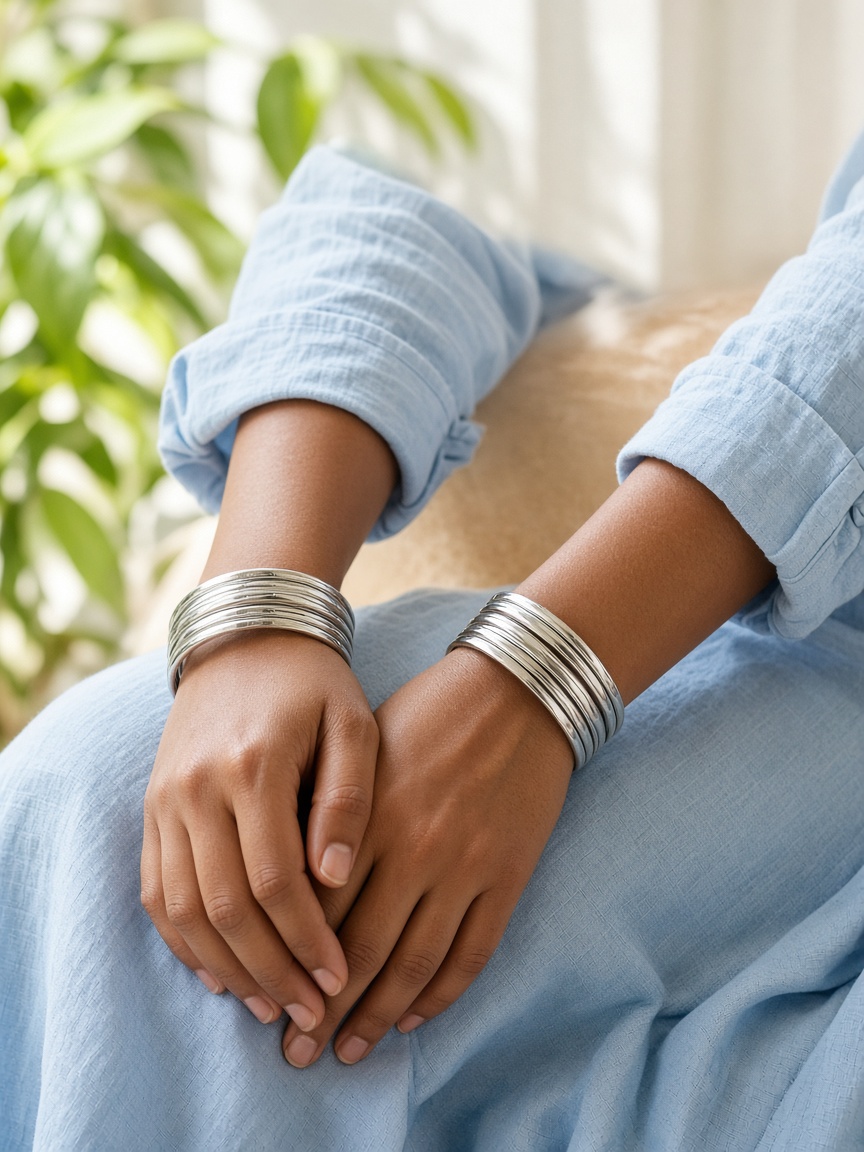
Bangles
A stack of silver bangles
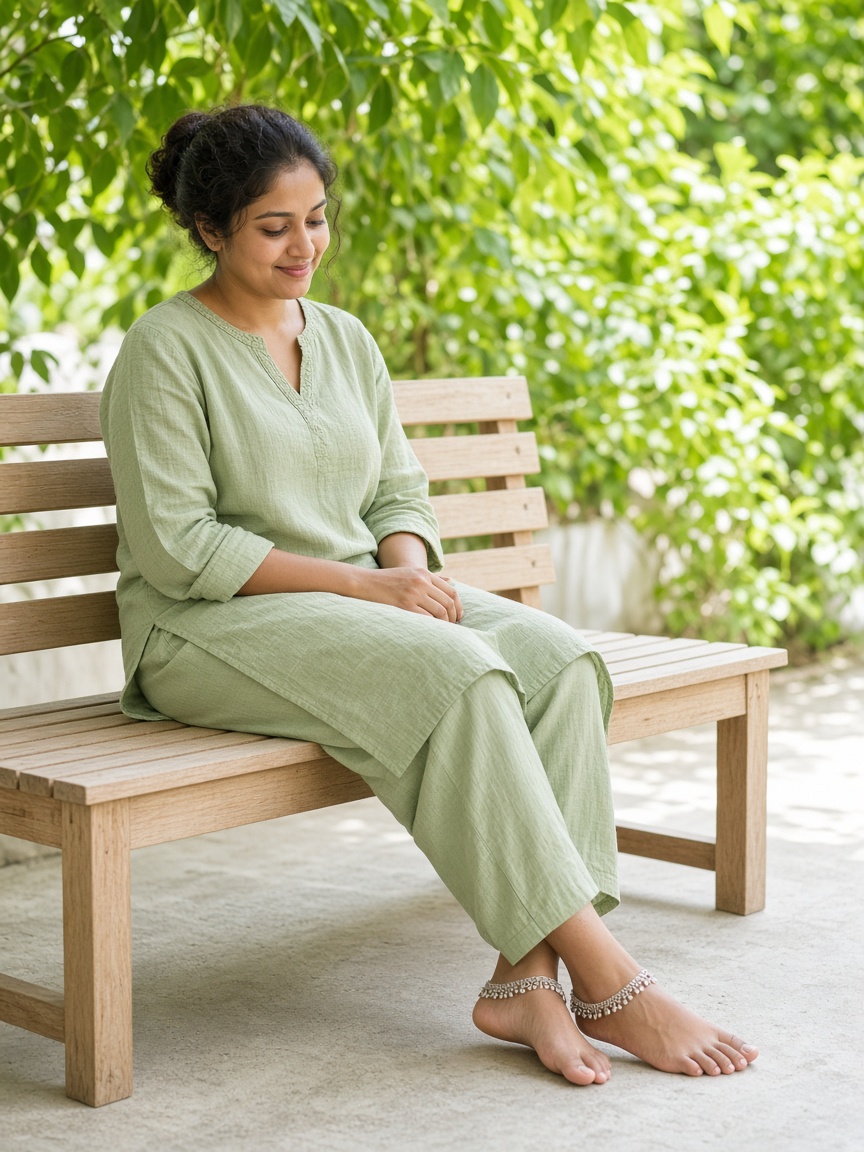
Anklet
Silver anklets, with bells
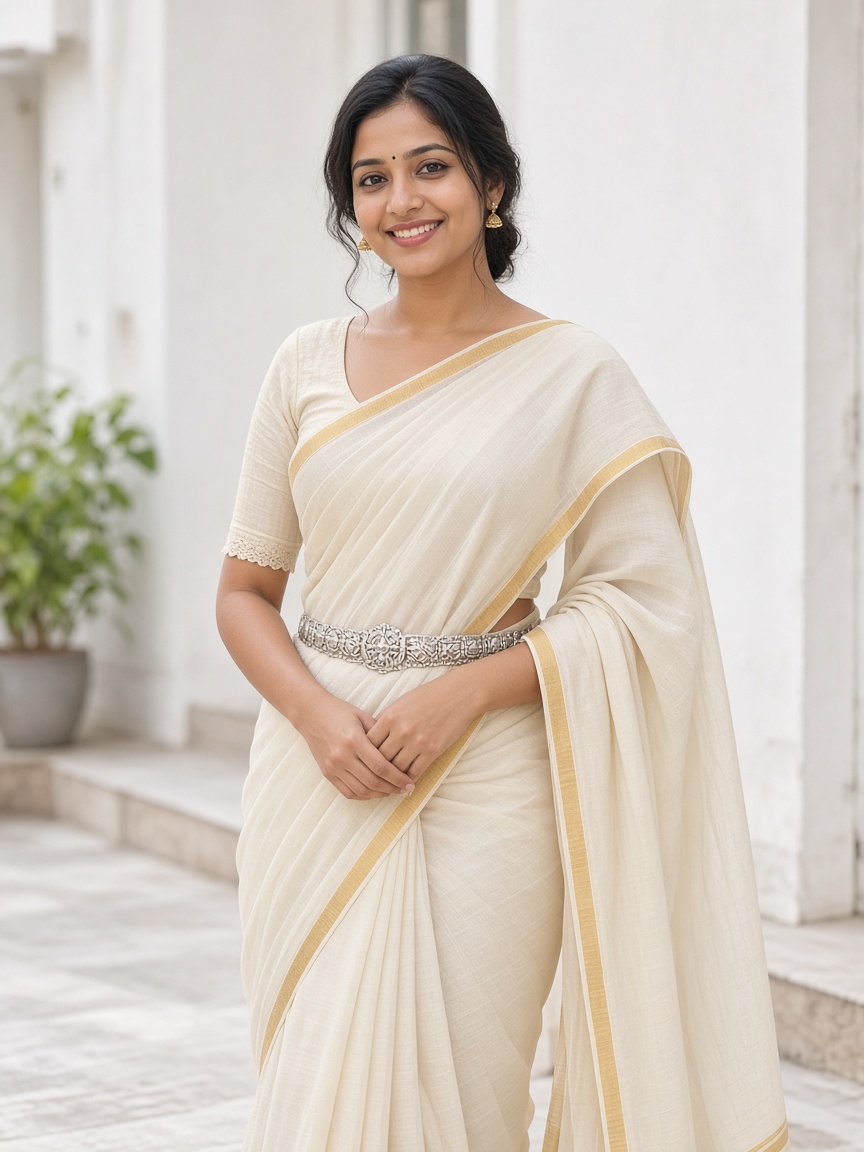
Waist belt
A silver waist belt over a saree

For him
A simple silver chain and bracelet
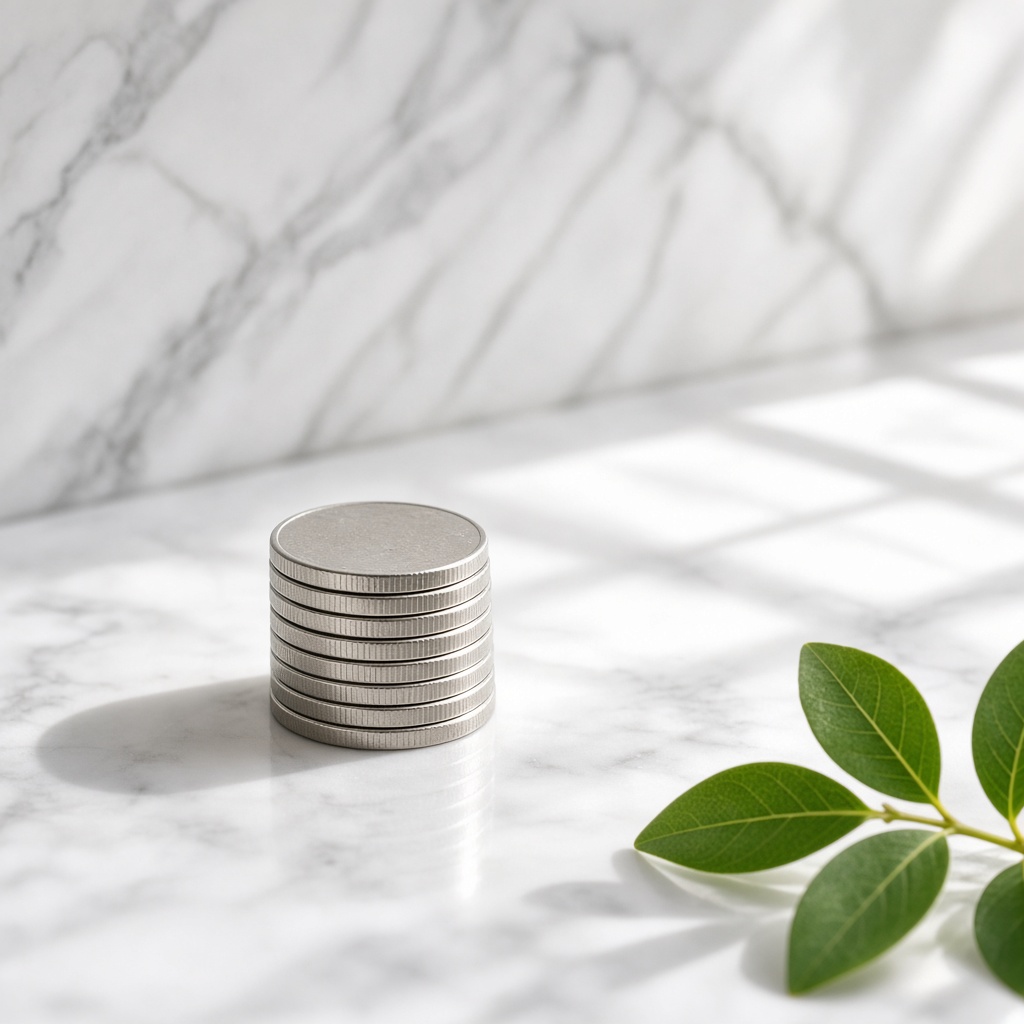
Coin
Fine silver, sold by the gram
Priced from the gram
Each coin figure is today’s fine silver price for that weight.
Silver
Fine silver coin · 1 gram
₹245
Silver
Fine silver coin · 10 grams
₹2,450
Silver
Fine silver coin · 50 grams
₹12,250
Silver
Fine silver coin · 100 grams
₹24,500
Silver
Silver is mined, concentrated, smelted, and refined long before it becomes a coin or an anklet. Salem is where this house sells it. Salem is not where it is dug.
The metal
Silver is the element Ag, atomic number 47, named from the Latin argentum. In Tamil it is called velli. It is a soft, white precious metal, and among metals it conducts heat and electricity best. A polished face throws light back almost like a mirror.
In the ground it is sometimes native silver, metal already free. Far more often it is held in minerals. Acanthite, a silver sulfide (the form once called argentite), is one of them. More of the world’s silver rides inside other ores: galena, the lead sulfide, and the zinc and copper ores mined beside it.
The mine
Two kinds of mine open the rock. When the ore lies near the surface, the working is an open pit, cut in steps called benches. The rock on those benches is broken and hauled out by truck.
When the ore runs deep, the mine goes underground. A vertical shaft or a sloping decline reaches the vein. Horizontal tunnels, called drifts, follow it. The ore is taken from openings called stopes, then lifted or trucked to daylight.
Most newly mined silver is not the only metal the mine was built for. It comes out while lead, zinc, copper, or gold ore is processed. Some mines are primary silver mines, worked for silver itself.
From ore to metal
The rock is crushed and then ground fine. For the usual sulfide ore, froth flotation lifts a silver-bearing concentrate and leaves the waste behind. Some ores are leached instead of floated. Either way the aim is the same: a small weight of rich material, not a mountain of rock.
The concentrate is smelted. Silver that travelled with lead is parted from the lead bullion. Silver that travelled with copper is recovered from the residue of electrolytic copper refining. A last refining step, commonly electrolysis, brings the metal up to fine silver.
Purity
Fine silver stamped .999 is 999 parts silver in 1,000, which is 99.9 percent. Coins and bars are sold at this purity. The metal is soft, so a coin will mark and a thin sheet will bend. Where the air carries sulfur, the surface tarnishes to a dark sulfide film. The film is only on the surface.
Sterling is 925: 92.5 percent silver, the rest usually copper. The copper makes it harder, which is why a bangle, an anklet, or a chain that must hold its shape is often sterling rather than fine. Coins on this board are priced as fine silver, by the gram.
Coin and ornament
Silver became a coin metal because it is scarce enough to be worth keeping, bright enough to recognise, and simple to divide by weight. A fine silver coin is still sold that way: so many grams, at the day’s rate.
As an ornament it takes a stamp, a chase, and a small bell. It is heavy enough for an anklet to be heard when someone walks, and white enough to sit beside a bridal silk. That is why the same metal is both a coin in the palm and an anklet on the ankle.
Tamil Nadu
The anklet often has a row of small bells. The sound belongs to the jewel. The bell-shaped earring is made in this house in silver. Silver bangles are worn singly or in a stack.
The silver coin is given at a wedding, kept by the household lamp, and offered at a temple. The waist belt is made in this house in silver.
This house is in Salem, Tamil Nadu. The metal is mined and refined elsewhere, then worked and sold here as ornaments and coins.
The house
The company is in Salem, Tamil Nadu. The front of the house is silver: ornaments and coins, priced from the fine silver rate.